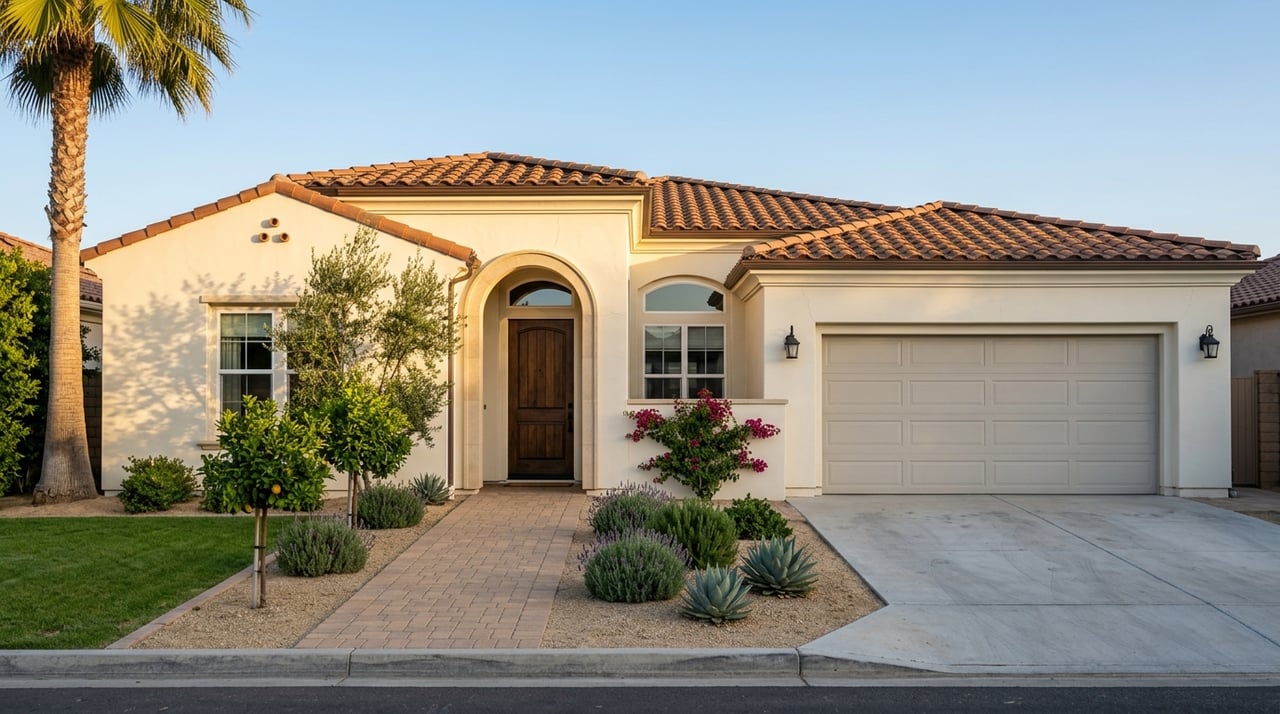
How To Decide If Upland Is the Right Move for You
July 23, 2026
July 23, 2026
Wondering whether Upland is the right place for your next move? That question matters more than ever when home values, commute needs, and lifestyle priorities all have to line up. If you are trying to decide whether Upland fits your budget and daily routine, this guide will help you look at the city in a practical, honest way. Let’s dive in.
Upland sits on the western edge of San Bernardino County next to Los Angeles County, which gives it a location many buyers find appealing. The city covers 15.58 square miles and has an estimated population of 79,446. That makes it large enough to offer a solid amenity base while still feeling more manageable than some larger Southern California cities.
You may also like that Upland blends older character with modern convenience. The city describes itself as a mix of historic downtown charm and commercial growth, with access to I-10, I-15, the 210, Ontario International Airport, and Metrolink. If you want an Inland Empire location that keeps you connected, that combination is worth a close look.
For many buyers, the biggest question is simple: can Upland comfortably fit your price range? Current public market trackers place the city around the low $800,000s. Zillow reports an average home value of $823,280 and a median sale price of $808,833, while Redfin reports a median sale price of $799,522 over the last three months.
Those numbers tell you Upland is not an entry-level market in most cases. Census data also provides helpful context, showing a median owner-occupied home value of $739,400, median household income of $105,830, and median monthly owner costs with a mortgage of $2,912. Before you fall in love with a specific home, it helps to decide whether Upland fits your full monthly comfort zone, not just your maximum approval amount.
One of the most important things to understand about Upland is that it is not one-size-fits-all. The city has 12 adopted specific plans, including College Park, Park View, Upland Crossing, and Historic Downtown Upland. That means housing style, layout, and neighborhood feel can vary quite a bit depending on where you look.
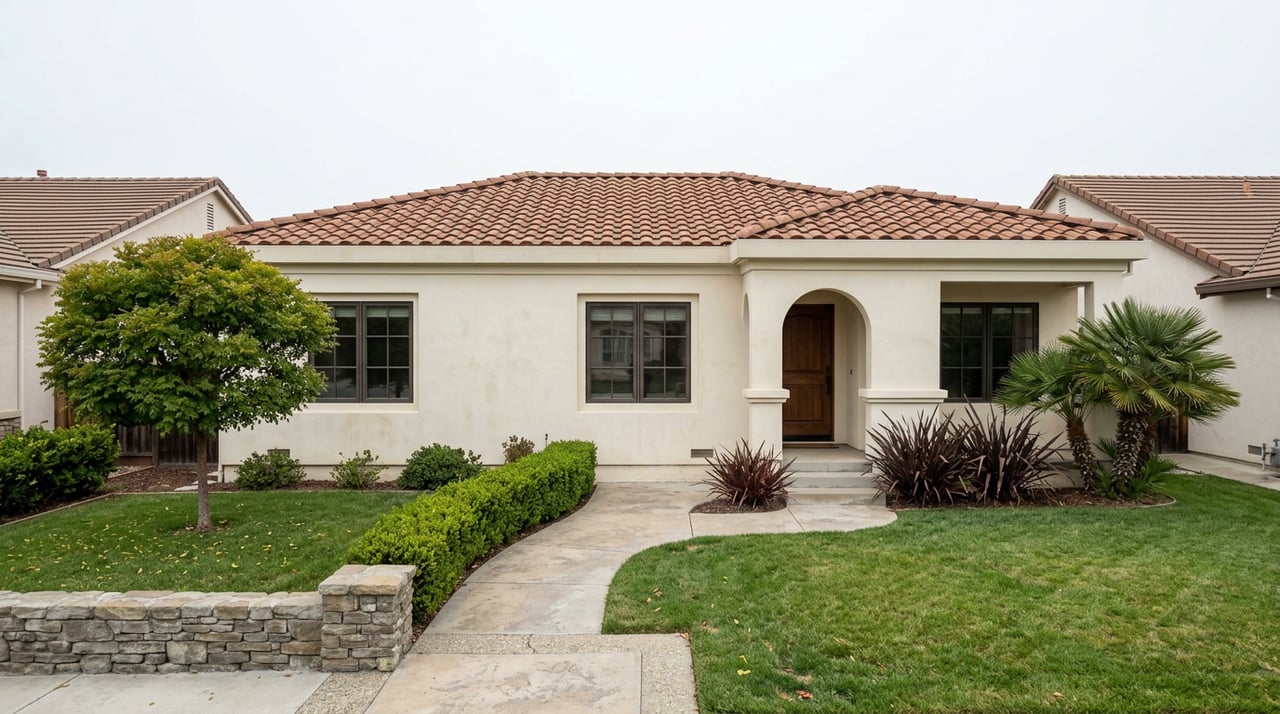
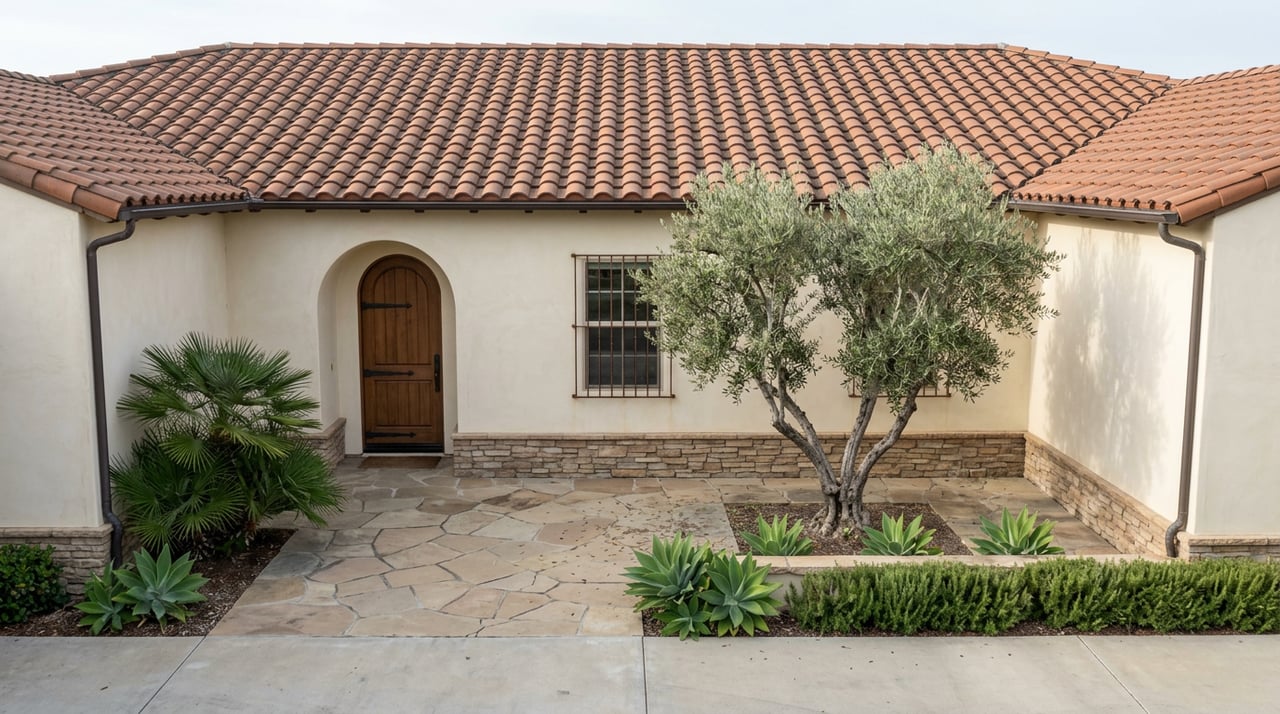
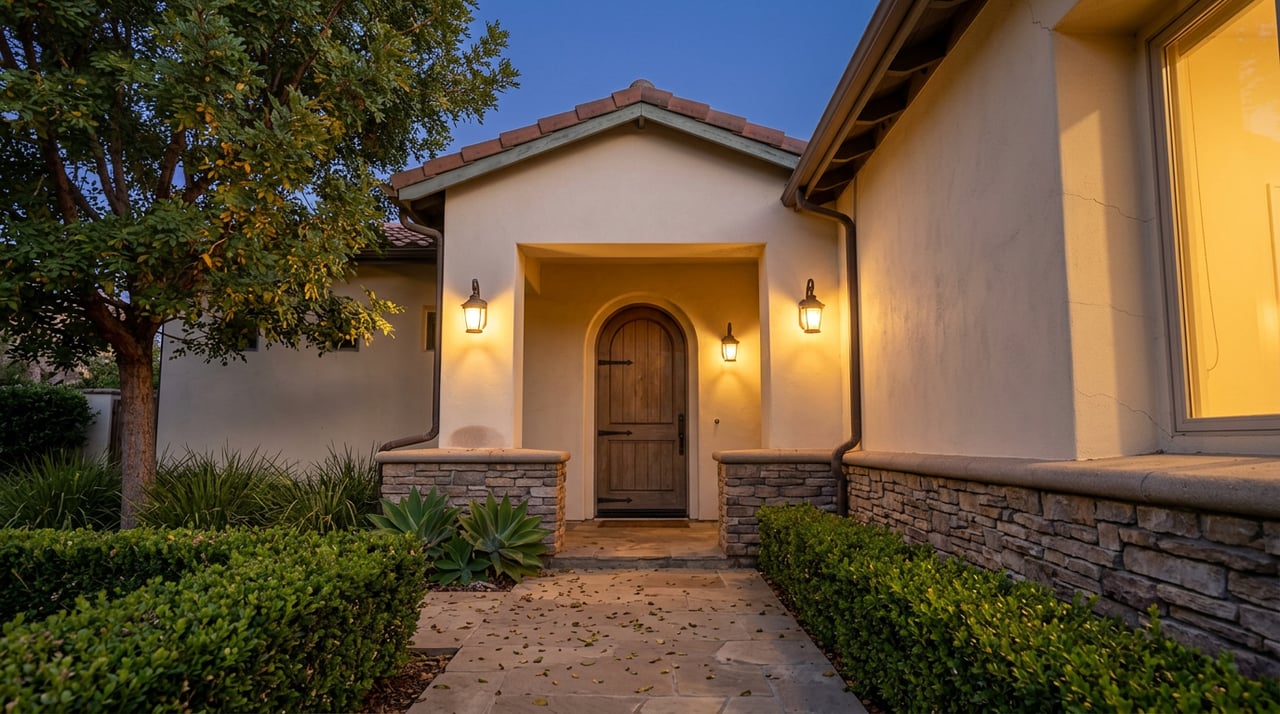
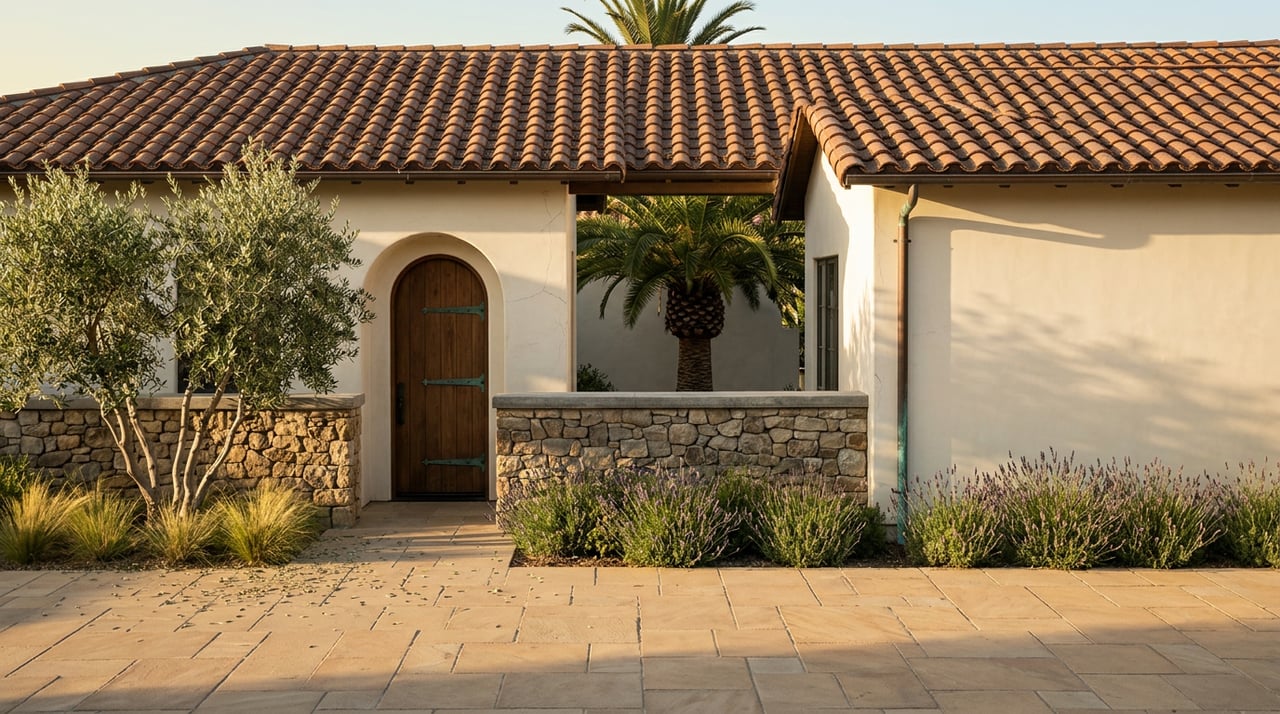
The city’s housing framework includes single-family detached homes, single-family attached homes, townhomes, stacked flats, live/work units, and mobile-home parks. Some areas feature a mix of single-family and townhome products, while other parts of the city include older residential pockets with established character. If you are comparing Upland to nearby cities, this variety can be a real strength.
You may be drawn to Upland if you like older homes with architectural character. The city has nine official historic districts with hundreds of historic homes, including turn-of-the-century residential neighborhoods and Craftsman bungalows. On the other hand, if you prefer something more plan-driven or potentially more turnkey, areas like Park View, Upland Crossing, or College Park may be more aligned with your goals.
Your decision is not just about style. It is also about how you want to live once you move in. Older homes can offer charm and larger-lot settings, but they may also require more upkeep and more careful decision-making during the buying process.
If you want a home that feels easier to maintain, you may prefer newer construction patterns or attached-home options where the layout and condition are more predictable. If you love historic character, you will want to be ready for the trade-offs that often come with age, lot size, and maintenance. Being clear about that upfront can save you time and help you focus your search.
A city can look perfect on paper and still miss the mark if the commute does not work for your routine. Upland’s mean commute time is 31.1 minutes, according to the Census. That may sound reasonable, but your own experience will depend on where you work, when you travel, and how often you need to be in the office.
Upland offers strong transportation access for many buyers. The city has access to I-10, I-15, and the 210, and Upland Station is on the Metrolink San Bernardino Line. Metrolink lists 294 parking spaces at the station, along with free parking, overnight parking, and bike racks and lockers.
The current schedule also shows multiple weekday departures from Upland throughout the day. If rail access matters to you, that can be a meaningful advantage. Still, the best move is to test the route you would actually use so you can decide whether Upland truly supports your workweek.
A home purchase is also a lifestyle decision. Upland may appeal to you if you want more than just a place to sleep. The city points to Historic Downtown Upland as its heart, with dining, distinctive shops, professional services, the Cooper Regional History Museum, the Carnegie Library, and more than 350 established businesses.
Downtown is also next to the Metrolink station, which adds convenience for some buyers. The city hosts the annual Lemon Festival and other street fairs, and Foothill Boulevard, identified by the city as Route 66, serves as the main retail corridor. If having a recognizable downtown matters to you, this is one of Upland’s more noticeable strengths.
Everyday amenities also add to the picture. The Upland Public Library offers children’s, teen, adult, digital, literacy, and local-history services, with hours Monday through Thursday from 10 a.m. to 7 p.m. and Friday through Saturday from 10 a.m. to 6 p.m. Upland Recreation & Community Services supports parks and programs, and the city lists reservable parks with features such as restrooms, picnic areas, playgrounds, and outdoor BBQs.
This is one of the most important parts of buying in Upland. Because the city has 12 adopted specific plans and an active Housing Element Update for 2021 through 2029, you should not assume every part of the city follows the same pattern. A home that looks similar to another property may sit in a very different planning area.
That matters when you are thinking about future surroundings, housing type, and how the property fits your longer-term goals. Upland also has an active rezone program, which is another reminder that city planning can shape your ownership experience. Taking time to verify the exact specific plan and zoning for the parcel is a smart step in this market.
Upland could be a strong match for you if these priorities line up with your goals:
Upland may not be the best fit if these concerns feel like deal-breakers:
The best way to decide if Upland is right for you is to compare it against your real life, not just online listings. Focus on three core questions: does the budget work, does the commute work, and does the housing style match what you actually want to own? When those three pieces line up, Upland can move from a maybe to a very strong contender.
If you are relocating, buying for the first time, or trying to narrow down Inland Empire options, it helps to have a local guide who can walk you through the differences from one part of the city to another. Upland has real variety, and that can be a benefit when your search is shaped around your goals instead of broad assumptions.
If you want help comparing Upland with nearby communities, reviewing local housing options, or building a search around your budget and lifestyle, connect with Lily Valdivia. She offers patient, personalized guidance for buyers across Upland and the Inland Empire.
Stay up to date on the latest real estate trends.
Work with a REALTOR® who values your story, understands your goals, and is committed to helping you feel truly at home.